Common LinkedIn Mistakes to Avoid
Common LinkedIn Mistakes are more widespread—and more damaging—than most professionals realize, often undermining your personal brand and visibility before you even notice. In a world where online presence defines professional success, LinkedIn common mistakes can quietly derail even the most ambitious career strategies if left unaddressed.
When it comes to professional networking, LinkedIn is the leading platform. Yet, many professionals miss opportunities by making simple but critical mistakes. This article outlines the most Common LinkedIn Mistakes and provides expert advice on how to avoid them to make the most out of your LinkedIn presence.
In today’s competitive professional landscape, LinkedIn is far more than a digital resume or a simple job board—it’s your online reputation, your networking powerhouse, and your personal brand in motion. With over one billion users worldwide, LinkedIn has become the go-to platform for career growth, B2B marketing, hiring, and thought leadership.
But here’s the problem: most professionals underestimate the platform’s depth—and make subtle yet damaging mistakes that silently sabotage their visibility, credibility, and opportunities.
You might be publishing content consistently, sending connection requests, or optimizing your profile with keywords—but if you’re unknowingly committing even a few of the common LinkedIn mistakes, you’re likely limiting your reach and diluting your professional presence.
So, what are these mistakes? Why do even experienced marketers, founders, and executives fall into them? And most importantly—how do you fix them strategically to turn LinkedIn into a growth engine for your career or business?
Let’s uncover these overlooked missteps and learn how to use LinkedIn with intentionality, clarity, and influence.
Thinking LinkedIn Is Just an Online Resume highest rank on Common LinkedIn Mistakes
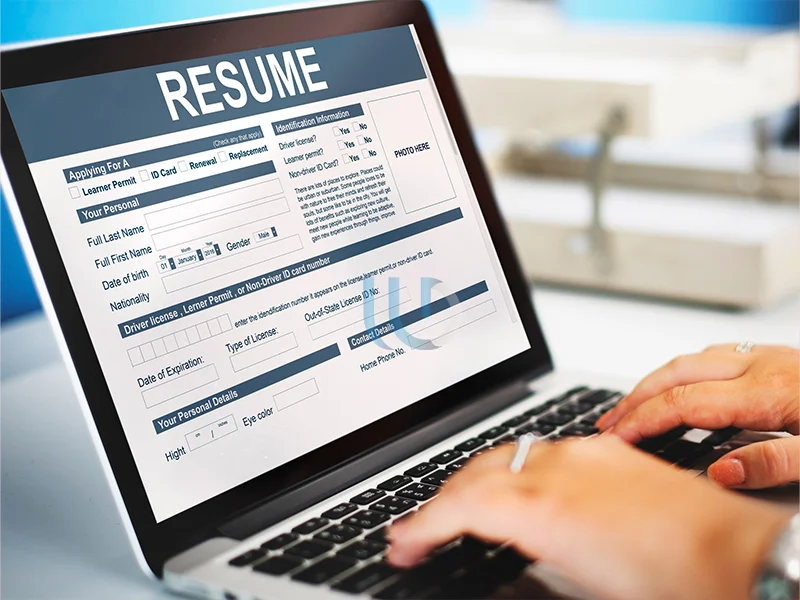
One of the most common LinkedIn mistakes — especially among professionals new to the platform — is viewing LinkedIn as nothing more than a digital version of their traditional resume. While it certainly includes career history, titles, and job responsibilities, reducing its purpose to that alone misses the bigger picture. LinkedIn is not just a static repository of qualifications; it is a dynamic platform designed for personal branding, professional visibility, and strategic networking.
By treating LinkedIn solely as a resume, you neglect the opportunity to engage with your industry, share original insights, demonstrate thought leadership, and build authentic relationships with peers, recruiters, clients, and decision-makers.
A resume is one-way communication. LinkedIn, on the other hand, thrives on interaction, relevance, and consistent value creation. Your profile should not only summarize where you’ve been but also signal where you’re headed — your aspirations, expertise, and how you contribute value in your field.
Furthermore, modern recruiters and potential collaborators expect more than just a list of responsibilities. They’re looking for professionals who stand out — those who post regularly, engage meaningfully with others’ content, and express their ideas confidently.
If you’re not doing that, you’re essentially invisible on a platform that rewards active participation. In short, thinking of LinkedIn as just a resume is like using a smartphone only for making calls — you’re ignoring 90% of its potential.
Unlocking the full value of LinkedIn means leveraging it as a living portfolio, a community space, and a strategic tool for long-term career growth.
Neglecting Your Profile Picture
Among the most common LinkedIn mistakes is neglecting to upload a high-quality, professional profile picture — or worse, not including one at all. Your profile photo is often the first element people notice, and it plays a crucial role in building trust and credibility. Research shows that profiles with a professional headshot receive up to 21 times more profile views and 36 times more messages than those without. This isn’t just about aesthetics; it’s about creating human connection in a digital environment.
A missing or unprofessional photo — such as casual selfies, outdated images, or group photos — sends the wrong signal. It may suggest a lack of seriousness, a disregard for detail, or simply a poor understanding of professional etiquette.
In contrast, a clean, recent, well-lit headshot conveys approachability, confidence, and professionalism. It says you’re ready to engage, be seen, and be taken seriously in your industry.
It’s also important to ensure your photo aligns with your current personal brand. For instance, if you work in a corporate setting, formal attire is generally expected. If you’re in a more creative field, a slightly relaxed yet polished look can work just as well. The goal is to match your image with how you want to be perceived — by recruiters, potential clients, business partners, or collaborators.
Neglecting your profile picture isn’t a minor oversight; it’s a lost opportunity to make a powerful first impression. In a professional network where decisions and impressions are made in seconds, investing in a quality image is one of the simplest yet most impactful ways to elevate your presence.
Writing a Weak Headline are Common LinkedIn Mistakes
The headline under your name should do more than just list your job title. It’s a chance to showcase what you do, your niche, and the value you offer. Instead of just “Marketing Manager,” use something like: “Marketing Manager | Helping Tech Startups Scale Through Data-Driven Campaigns.”

Ignoring the About Section
The About section is your personal elevator pitch. Skipping it or filling it with dry, generic text is a lost opportunity. Use it to tell your story, highlight your achievements, and communicate your professional mission and values. Make it personable and keyword-rich.
Connecting Without a Personalized Message
Sending a connection request without context is a Common LinkedIn Mistakes . Always include a personalized note explaining who you are and why you’d like to connect. This small gesture increases your chances of acceptance and begins the relationship on the right foot.
Networking Only for Personal Gain
Many users approach networking as a way to get something—a job, a referral, a sale—without offering value in return. Effective networking is reciprocal. Focus on building authentic relationships, sharing insights, and helping others.
Posting Without Purpose
Random or irrelevant content can confuse your audience and weaken your brand. Every post should have a goal: to inform, inspire, engage, or educate. Avoid oversharing personal updates or reposting without context. Be consistent and strategic.
Not Engaging with Others
Engagement isn’t just about posting. It’s about liking, commenting, and starting conversations on others’ content too. Neglecting this makes your profile one-dimensional. Interaction builds visibility, trust, and stronger professional bonds
Failing to Follow Up
Whether after a connection request or a meaningful exchange, lack of follow-up is a lost opportunity. Send a message, thank people for connecting, and look for ways to continue the conversation.
Using Outdated Skills or Technologies
If your profile lists obsolete tools or skills, it signals you’re not keeping up with your industry and its horrible Common LinkedIn Mistakes for your personal brand. Regularly update your skills section to reflect what’s relevant in your field today, and remove anything that’s no longer in use.
Treating the Experience Section Like a Resume
Don’t copy-paste your resume its awful Common LinkedIn Mistakes that many people do it. Instead, describe your roles with focus on achievements and outcomes. Use bullet points, metrics, and language that shows impact rather than just listing duties.
Not Utilizing Automation Tools
While overusing automation can backfire, smart use of LinkedIn automation tools can save time and enhance your reach. Tools for scheduling content or managing connections should be used responsibly to amplify your efforts. for example some tools like : linkedin sales navigator help us to market research and useful tools for B2B business who wants to know competitors and recognize customers.
Not Having Any About Section at All
Leaving the About section blank is one of the biggest missed opportunities. It’s your chance to tell your professional story in your voice so No section means no context for your work, values, or goals. furthermore you have to use all the features that linkedin purvey to you for growth your page.
Ignoring Content Strategy
Not having a content strategy leads to random or irrelevant posts. Define what your content should achieve: Do you want to build authority? Attract clients? Share insights? Then post accordingly, and measure what works.
Overemphasizing Self-Promotion – awful Common LinkedIn Mistakes
Only talking about yourself or your wins can alienate your network. Share other people’s insights, highlight your team’s success, or comment on industry trends to create a more balanced presence.
LinkedIn success isn’t just about showing up—it’s about showing up strategically. By avoiding these common mistakes, you can turn your LinkedIn profile into a powerful tool for personal branding, professional growth, and meaningful connections.
Leave a Comment