A Comprehensive Guide for Technical SEO tools 2025
In the digital world, Technical SEO tools importance cannot be overstated. While content and backlinks are crucial for ranking, search engines must be able to crawl, index, and understand your website efficiently to display it in search results.
Technical SEO ensures that your website is optimized for search engines, improving visibility, performance, and user experience.
This guide will cover the key technical SEO principles, including crawling, indexing, site architecture, structured data, duplicate content, and the latest best practices for 2025.
🔹 What Is Technical SEO?
Technical SEO refers to the optimization of website infrastructure and backend elements to help search engines crawl, index, and rank pages efficiently. It focuses on:
✔️ Website Speed & Performance – Improving loading times for better UX.
✔️ Crawling & Indexing Optimization – Helping search engines discover and rank pages.
✔️ Fixing Duplicate Content Issues – Preventing ranking conflicts and penalties.
✔️ URL Structure & Site Architecture – Ensuring logical organization and hierarchy.
✔️ Security Enhancements – Implementing HTTPS and fixing vulnerabilities.
✔️ Structured Data & Schema Markup – Enhancing rich snippets in search results.

🔹 Why Is Technical SEO Important?
In the ever-evolving world of search engine optimization (SEO), having high-quality content and strong backlinks is not enough. Without a technically optimized website, search engines may struggle to crawl, index, and rank your pages effectively. This is where Technical SEO becomes essential.
Technical SEO focuses on the backend optimizations that enhance a website’s performance, ensuring that search engines can access, understand, and rank the site efficiently. It includes aspects such as site speed, mobile-friendliness, structured data, secure connections, and crawlability. Without these elements in place, even the best content can remain invisible to search engines and fail to reach the intended audience.
Without proper Technical SEO tools , even the best content will struggle to rank. Here’s why Technical SEO tools is essential:
🚀 Improves Crawlability – Ensures search engines can access all your pages.
🔍 Enhances Indexability – Helps Google understand which pages to rank.
💡 Boosts Page Speed – Reduces bounce rates and improves rankings.
🛠️ Fixes Website Errors – Resolves duplicate content, broken links, and indexing issues.
🔗 Strengthens Internal Linking – Improves user navigation and SEO equity distribution.
📈 Maximizes Organic Visibility – Increases your chances of ranking higher on SERPs.
How Does Technical SEO tools Impact Rankings?
Search engines like Google use sophisticated algorithms to assess websites based on several factors, including page speed, mobile usability, structured data, and indexability. A poorly optimized website may suffer from:
-
Slow loading times, leading to a higher bounce rate.
-
Crawling issues, preventing important pages from appearing in search results.
-
Duplicate content problems, confusing search engines and reducing ranking potential.
-
Broken links and redirects, which negatively affect user experience and indexing.
By improving Technical SEO tools , businesses can ensure that search engines can efficiently process their content, leading to higher visibility, better rankings, and improved organic traffic.
The Role of Technical SEO tools in User Experience (UX)
Beyond search engines, technical SEO directly impacts user experience. A fast, well-structured, and mobile-friendly website keeps visitors engaged, reduces bounce rates, and increases conversions. Google’s Core Web Vitals update has made site speed and interactivity crucial ranking factors, proving that Technical SEO tools is not just for search engines—it’s for users too.

🔹 Understanding Crawling and How to Optimize for It
Crawling is how search engine bots navigate your site to discover pages. If pages aren’t crawlable, they won’t appear in search results.
How to Optimize for Crawling:
✔️ Use a Crawlable Site Architecture – Ensure every page is accessible within a few clicks.
✔️ Optimize Internal Linking – Help search engines navigate your site structure.
✔️ Check Your Robots.txt File – Make sure you’re not blocking important pages.
✔️ Use XML Sitemaps – Help search engines find and index your content faster.
🔹 Create an SEO-Friendly Site Architecture
A well-structured website improves crawlability, indexability, and user experience.
Best Practices for Site Architecture:
✔️ Flat Hierarchy – Avoid deep nesting; keep important pages within 3 clicks.
✔️ Logical URL Structure – Use clean, descriptive URLs (example.com/category/product).
✔️ Breadcrumb Navigation – Helps users and search engines understand site structure.
✔️ Consistent Internal Linking – Connect related pages for better navigation.
🔹 Submit Your Sitemap to Google
An XML sitemap helps search engines find your pages quickly.
✔️ Use Google Search Console to submit your sitemap.xml file.
✔️ Prioritize important pages and exclude duplicate or thin content.
✔️ Keep it updated whenever new content is published.
🔹 Understanding Indexing and How to Optimize for It
Indexing determines which pages appear in search results. Unindexed pages won’t rank.
How to Optimize for Indexing:
✔️ Ensure Pages Are Crawlable – Use a proper site structure.
✔️ Check for Indexing Issues in Google Search Console – Fix “Discovered but Not Indexed” errors.
✔️ Improve Content Quality – Google ignores thin or duplicate content.
✔️ Use Internal Links – Help Google discover and rank your pages faster.
🔹 Use the Noindex Tag Carefully
The Noindex meta tag tells search engines not to index a page.
🔸 Use Noindex for:
- Thank you pages, login pages, and private content.
- Duplicate content (use canonical tags instead where applicable).
🚨 Don’t mistakenly Noindex important pages! Check your meta robots settings carefully.
🔹 Implement Canonical Tags Where Needed
A canonical tag prevents duplicate content issues by specifying the preferred version of a page.
✔️ Helps avoid duplicate content penalties.
✔️ Consolidates SEO signals across similar pages.
✔️ Improves ranking consistency for similar content.
Example of a canonical tag:
<link rel="canonical" href="https://example.com/preferred-page">
🔹 Additional Technical SEO Best Practices

1️⃣ JavaScript SEO
JavaScript can affect SEO if search engines struggle to render it.
✔️ Use server-side rendering (SSR) or dynamic rendering for better indexing.
✔️ Test pages using Google’s Mobile-Friendly Test and URL Inspection Tool.
2️⃣ Robots Meta Tags
These tags control search engine behavior.
✔️ noindex – Prevents pages from appearing in search results.
✔️ nofollow – Stops link equity from passing.
✔️ noarchive – Prevents search engines from caching pages.
3️⃣ XML Sitemaps
XML sitemaps help search engines discover pages faster.
✔️ Include important pages only.
✔️ Keep it updated with new content.
✔️ Submit it via Google Search Console.
4️⃣ URL Structure
✔️ Use short, readable URLs (example.com/best-laptops).
✔️ Avoid dynamic parameters and special characters.
✔️ Use hyphens (-) instead of underscores (_).
5️⃣ Structured Data & Schema Markup
Adding structured data helps search engines understand content better.
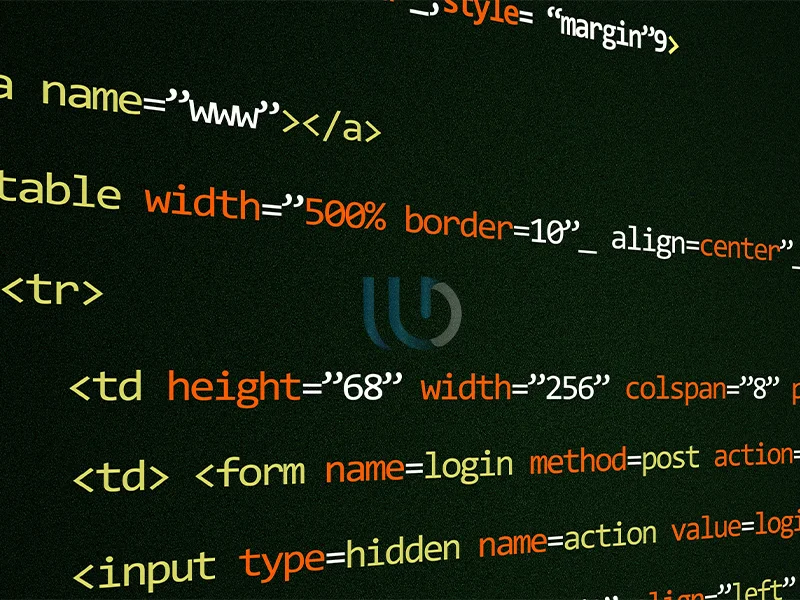
✔️ Implement schema markup for articles, products, reviews, etc.
✔️ Use Google’s Rich Results Test to validate structured data.
6️⃣ Thin Content & Duplicate Content
🚫 Google penalizes low-quality, repetitive pages.
✔️ Remove or improve thin content with useful information.
✔️ Use canonical tags to avoid duplicate content penalties.
7️⃣ Hreflang for Multilingual SEO
The hreflang attribute is a crucial component of Technical SEO for websites that serve content in multiple languages or target different regions. It helps search engines like Google understand which version of a page should be displayed to users based on their language preference and geographical location.
Implementing hreflang tags correctly ensures that the right audience sees the appropriate content, reducing duplicate content issues and improving international SEO.
Why Is Hreflang Important?
When multiple versions of a webpage exist in different languages, search engines might struggle to determine which one to show in search results. Without hreflang tags, search engines might:
✅ Display the wrong language version to users
✅ Consider translated pages as duplicate content, harming rankings
✅ Fail to properly index region-specific content
By correctly implementing hreflang, businesses can:
✔ Improve user experience by showing content in the user’s language
✔ Prevent cannibalization of international versions in search results
✔ Increase organic traffic from international markets
How to Implement Hreflang Tags
There are three primary ways to add hreflang attributes to your website:
1️⃣ In the HTML <head> section:
2️⃣ In the HTTP header (for non-HTML files like PDFs):
3️⃣ In the XML sitemap (recommended for large websites):
Common Hreflang Mistakes to Avoid
🚫 Missing self-referencing hreflang – Each page should reference itself.
🚫 Incorrect country codes – Use ISO 639-1 for languages (e.g., “en” for English) and ISO 3166-1 for regions (e.g., “en-US” for U.S. English).
🚫 Using hreflang without canonical tags – Combine them properly to avoid ranking conflicts.
🚫 Broken or missing reciprocal links – Each version must reference the others properly.
By implementing hreflang tags correctly, businesses can maximize their multilingual SEO efforts, increase global visibility, and ensure a seamless experience for international users. 🌍🚀
Hreflang tags help search engines display the correct language version of a page.
Example:
<link rel="alternate" hreflang="es" href="https://example.com/es/">
✔️ Use for international websites.
✔️ Prevents duplicate content issues across languages.
8️⃣ 404 Pages & 301 Redirects
A 404 error occurs when a page is missing.
✔️ Create a custom 404 page with helpful links.
✔️ Use 301 redirects for permanently removed pages.
🚀 The Future of Technical SEO tools
As search engines evolve, Technical SEO tools is becoming more sophisticated, focusing on automation, artificial intelligence (AI), and user experience. With Google’s increasing reliance on machine learning and natural language processing (NLP), optimizing for structured data, Core Web Vitals, and mobile-first indexing will be more important than ever.
Websites will need to embrace server-side rendering (SSR), AI-driven SEO audits, and advanced schema markups to enhance search visibility. Additionally, as voice search, visual search, and AI-generated content gain traction, businesses must adapt their site architecture, speed optimization, and indexability to meet these new demands.
The future of Technical SEO tools will not just be about search engines—it will be about creating seamless, fast, and intelligent web experiences that cater to both users and AI-driven algorithms. 🚀
SEO is evolving with AI, machine learning, and voice search.
🔹 AI-driven search (Google’s Search Generative Experience).
🔹 Page experience signals (Core Web Vitals will remain crucial).
🔹 More structured data usage for better visibility.
🔹 Mobile-first indexing dominance – Ensure your site is 100% mobile-optimized.
✅ Technical SEO tools Checklist for 2025
✔️ Optimize crawling & indexing settings.
✔️ Submit an XML sitemap to Google.
✔️ Use canonical tags to prevent duplicate content.
✔️ Improve page speed & mobile performance.
✔️ Implement structured data for rich results.
✔️ Use hreflang for multilingual websites.
✔️ Fix broken links & 404 errors.
✔️ Ensure HTTPS security & proper redirects.
By following these technical SEO best practices, your website will be optimized for search engines and future algorithm updates, ensuring long-term SEO success. 🚀
💡 Need an SEO expert? Implement these strategies today and boost your rankings in 2025! 🎯
Leave a Comment