

Why Every Business Needs a Website – The Key Benefits of Professional Web Design
In today’s digital-first world, having a website is no longer a luxury it’s a necessity. Whether you run a small local business or a multinational corporation, an online presence is essential for attracting customers, building credibility, and staying competitive. A well-designed website serves as the foundation of your brand’s digital identity, acting as a 24/7 sales and marketing tool that connects you with your audience.
With increasing consumer reliance on the internet for research, shopping, and decision-making, businesses without a website risk losing potential customers to competitors who have embraced digital transformation.
From enhancing brand recognition and generating leads to improving customer service and boosting organic traffic, a professional design for site can significantly impact your business’s success. In this article, we’ll explore the key reasons why every business needs a website and how investing in the right plan can help you achieve long-term growth. 🚀
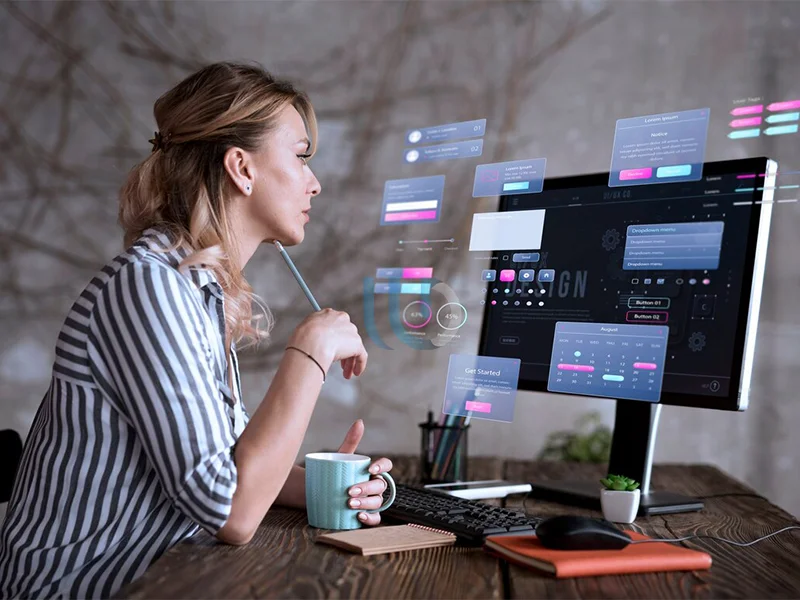
website and webdesign suitable make Credibility
In today’s digital world, having a website is essential for establishing credibility and building trust with potential customers. A professional web layout ensures that your business appears reliable and authentic. Many consumers research businesses online before making a purchase, and a well-structured website reassures them that they are dealing with a legitimate company.
Without a website, your business may seem outdated or unreliable, and customers might turn to competitors who have a strong online presence. Investing in professional design helps you make a strong first impression and shows that you are a serious player in your industry.
Brand
A web site is the foundation of your brand’s online identity. Through carefully crafted web design, you can showcase your brand’s mission, values, and unique selling points. Consistency in colors, fonts, and content style helps businesses stand out in the crowded digital space.
Having a website also allows you to tell your brand’s story in a creative way. By incorporating high-quality visuals, engaging text, and interactive elements, businesses can strengthen their brand identity and create a memorable experience for visitors.
Leads
One of the biggest advantages of having a web site is its ability to generate leads. With a well-optimized web design, you can encourage visitors to take action, such as filling out a contact form, signing up for a newsletter, or making a purchase.
Additionally, a web site with strong call-to-action (CTA) buttons helps guide users toward conversion. Whether you offer a service, digital product, or e-commerce store, a professional web design ensures that your site is structured to maximize lead generation and sales.
Organic Traffic
A properly optimized web site attracts organic traffic from search engines like Google. With SEO-friendly web design, businesses can rank higher in search results and drive free, high-quality traffic to their site.
By publishing SEO-focused content, using relevant keywords, and improving the structure of site, businesses can ensure that their website appears for important search queries. This reduces reliance on paid ads and builds a long-term, sustainable source of visitors.

Saving Time + Customer Service
A website acts as a 24/7 customer service tool, allowing businesses to provide instant information to potential customers. With features such as FAQs, automated chatbots, and self-service portals, businesses can significantly reduce the number of repetitive customer inquiries.
Investing in professional web design ensures that your site is intuitive and user-friendly, enabling customers to find answers quickly. This not only improves user satisfaction but also frees up valuable time for business owners and employees to focus on growth.
Updates and Announcements
A website serves as a central hub for sharing updates, promotions, and important announcements with customers. Instead of relying solely on social media, where posts might get lost in the feed, businesses can keep their audience informed directly through their site.
With a well-designed website, companies can maintain a blog, update product information, or notify users about upcoming events. This keeps customers engaged and helps build long-term relationships.
Digital Marketing
A website is essential for running digital marketing campaigns effectively. Whether it’s Google Ads, Facebook Ads, or email marketing, businesses need a landing page to direct traffic to.
With expert web design, companies can create visually appealing and high-converting landing pages that enhance marketing efforts. Tracking tools like Google Analytics allow businesses to measure ad performance, track user behavior, and make data-driven improvements to their campaigns.
24×7 Sales Channel
Unlike physical stores that operate on fixed hours, a website functions as a 24/7 sales channel, allowing customers to browse products and make purchases anytime. With features like automated checkout, live chat support, and AI-driven recommendations, businesses can maximize their sales potential.
A strategic web design ensures that the shopping experience is smooth, intuitive, and mobile-friendly. This is especially important for e-commerce businesses that want to cater to a global audience and maximize revenue.
Create a Local Presence
Even for businesses that operate in specific geographic locations, having a website enhances their local presence. With Google My Business (GMB), local SEO strategies, and location-based content, businesses can rank higher in local searches and attract nearby customers.
For example, a restaurant, dental clinic, or repair service with an optimized website can appear in searches like “best pizza place near me” or “top-rated plumber in [city]”, making it easier for potential clients to find and contact them.
Attract Potential Business Partners
A website is not only a tool for attracting customers but also a platform for building strategic business partnerships. Investors, suppliers, and collaborators often research potential partners online before making decisions.
By showcasing case studies, testimonials, and business achievements, a well-designed website helps establish credibility and trust. This makes it easier to secure partnerships, sponsorships, and expansion opportunities.
Types of Websites and Design Ideas That Rank Well
A well-structured website is more than just an online presence—it’s a powerful tool for branding, marketing, and sales. With the right design & site layout , businesses can attract their target audience, improve search engine rankings, and enhance user experience. However, not all websites serve the same purpose. Different industries and business models require unique web plan strategies to stand out in the competitive digital landscape.
In this article, we’ll explore the most popular types of websites and the best design ideas that rank well in search engines. Whether you’re creating a business website, an e-commerce store, or a personal blog, choosing the right web design will impact your website’s visibility and performance.
Business Websites
A business site represents a company and its services online, helping establish credibility and attract potential customers. These websites usually include pages like Home, About Us, Services, Contact, and Testimonials to provide information and build trust.
💡 Design Ideas for Business type
✅ Minimalist & Professional Design – A clean, user-friendly layout with simple navigation enhances usability.
✅ Fast-Loading Pages – Google ranks fast websites higher, so optimize images and code to reduce load time.
✅ SEO-Optimized Content – Use keywords, meta descriptions, and high-quality blog content to boost search engine rankings.
✅ Mobile Responsiveness – Ensure the site works seamlessly on smartphones and tablets.
✅ Strong Call-to-Action (CTA) – Buttons like “Get a Quote” or “Contact Us” should be visible and engaging.
🔹 Best Examples: Apple, HubSpot, and Stripe have high-ranking business websites due to exceptional design and SEO optimization.
E-Commerce Websites (Online Stores)
An e-commerce website enables businesses to sell products or services online. These websites require secure payment gateways, intuitive navigation, and strong product visuals to maximize conversions.
💡 Design Ideas for E-Commerce Websites
✅ Clear Product Pages – Use high-quality images, detailed descriptions, and customer reviews.
✅ Simple Checkout Process – A complicated checkout increases cart abandonment rates.
✅ SEO-Friendly Product Listings – Optimize product pages with keywords, structured data, and internal links.
✅ Fast Loading Speed – Use CDNs (Content Delivery Networks) and optimize images for quicker page loads.
✅ Personalized User Experience – AI-driven product recommendations increase engagement.
🔹 Best Examples: Amazon, Shopify, and Etsy rank high due to their strong UX/UI design and SEO strategies.
Blogs & Content Websites
A blog focuses on delivering valuable content, such as articles, guides, and personal experiences. These type of sites generate organic traffic through SEO-optimized content and are widely used by influencers, marketers, and businesses.
💡 Design Ideas for Blogs
✅ Easy Navigation & Categorization – Organize content into categories and tags for better user experience.
✅ Engaging Layouts – Use images, infographics, and embedded videos to keep readers engaged.
✅ Internal & External Linking – Helps boost SEO rankings and improve content discoverability.
✅ Optimized Readability – Use clear fonts, spacing, and dark mode options.
✅ Fast Page Load Speeds – Speed is a ranking factor, so optimize the website code and media files.
🔹 Best Examples: Neil Patel, Moz Blog, and HubSpot Blog rank well due to high-quality, keyword-rich content.
Portfolio Websites
A portfolio is used by freelancers, photographers, artists, and designers to showcase their work. portfolios need to be visually compelling and easy to navigate.
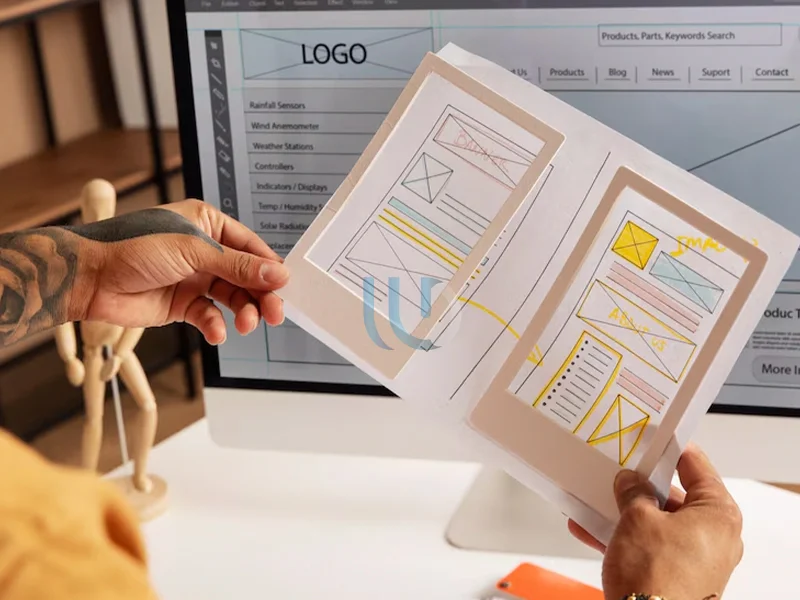
💡 Ideas for Portfolio
✅ Minimalist & Visual-First Design – Let the work speak for itself with high-resolution images and videos.
✅ Fast Loading & Mobile-Friendly – Ensure the web site loads quickly and is optimized for mobile users.
✅ SEO-Optimized Project Pages – Use descriptive titles, alt text, and structured data for visibility.
✅ Clear Contact Information – Make it easy for potential clients to reach out.
🔹 Best Examples: Dribbble and Behance showcase well-designed portfolios that rank high due to SEO-friendly layouts and optimized images.
News & Media
News sites or blogs need to deliver fresh, engaging content quickly. These sites are highly competitive and require strong SEO strategies and fast load speeds to rank well.
💡 Design Ideas for News blogs
✅ Clutter-Free Layouts – Prioritize readability and user experience.
✅ Dynamic Content & Updates – News type need real-time updates for ranking success.
✅ Structured Data (Schema Markup) – Helps Google display featured snippets for news articles.
✅ Responsive Design – Ensure the site adapts well to different screen sizes.
🔹 Best Examples: The New York Times, BBC, and CNN rank high due to authoritative content and SEO-optimized article structures.
SaaS (Software as a Service)
SaaS types are sell digital tools and subscriptions, requiring a design that clearly explains the software’s features and benefits.
💡 Ideas for SaaS Web sites
✅ Simple Yet Modern Design – Use interactive animations and high-quality graphics.
✅ Strong CTAs & Free Trial Options – Encourage users to sign up for demos or trials.
✅ SEO-Optimized Landing Pages – Helps rank for industry-relevant searches.
✅ Trust Signals – Include client logos, testimonials, and security badges.
🔹 Best Examples: Slack, Notion, and Trello rank well due to intuitive design and content marketing.
Educational & Online Courses
With the rise of e-learning, educational web sites like Udemy, Coursera, and Khan Academy have gained massive popularity. These sites provide structured learning materials with interactive elements.
💡 Design Ideas for Educational
✅ User-Friendly Course Navigation – Ensure a smooth learning experience with easy-to-access content.
✅ Engaging Multimedia Content – Use videos, quizzes, and infographics.
✅ SEO & Keyword Optimization – Target long-tail educational queries for better rankings.
✅ Interactive Elements – Enhance engagement with gamification features.
🔹 Best Examples: Udemy and Coursera rank high due to SEO-friendly course pages and interactive learning tools.
Having a site is no longer an option—it’s a necessity for any business looking to succeed in today’s competitive market. Whether you’re a startup, small business, or large corporation, a well-crafted design boosts credibility, enhances branding, drives organic traffic, and generates leads.
A professionally designed web site ensures that your business remains accessible, competitive, and profitable 24/7. If you haven’t invested in a strong design yet, now is the time to do so and unlock endless growth opportunities! 🚀
Leave a Comment